Ultimate Guide to Vinyl Stickers in 2026
The Ultimate Guide to Vinyl Stickers in 2026 starts with one hard truth: most sticker disappointment has nothing to do with the design. It comes from the wrong vinyl, the wrong adhesive, or a laminate that can’t handle sunlight for more than a few months.
I’ve tested vinyl decals on water bottles, laptops, storage bins, car windows, shipping mailers, and notebook covers, and the failure patterns are predictable. Thin calendered vinyl tends to shrink at the edges, cheap adhesive leaves residue, and unlaminated stickers lose color fast if they spend all day outdoors.
If you want vinyl stickers that actually last, this guide will help you sort the durable from the disposable. You’ll learn how sticker materials differ, what review patterns reveal, which budget tiers make sense, and the single buying criterion that matters most before you place an order.
How we select products: Our team reviews products daily, analyzing customer ratings (4.0+ stars minimum), pricing trends, discount history, material specs, and real buyer feedback to surface options that deliver strong value. For this Ultimate Guide to Vinyl Stickers in 2026, we also compared waterproof claims, laminate types, outdoor durability, and complaint rates around peeling, fading, and residue.
Best Vinyl Stickers in 2026 #
We researched and compared the top options so you don’t have to. Here are our picks.
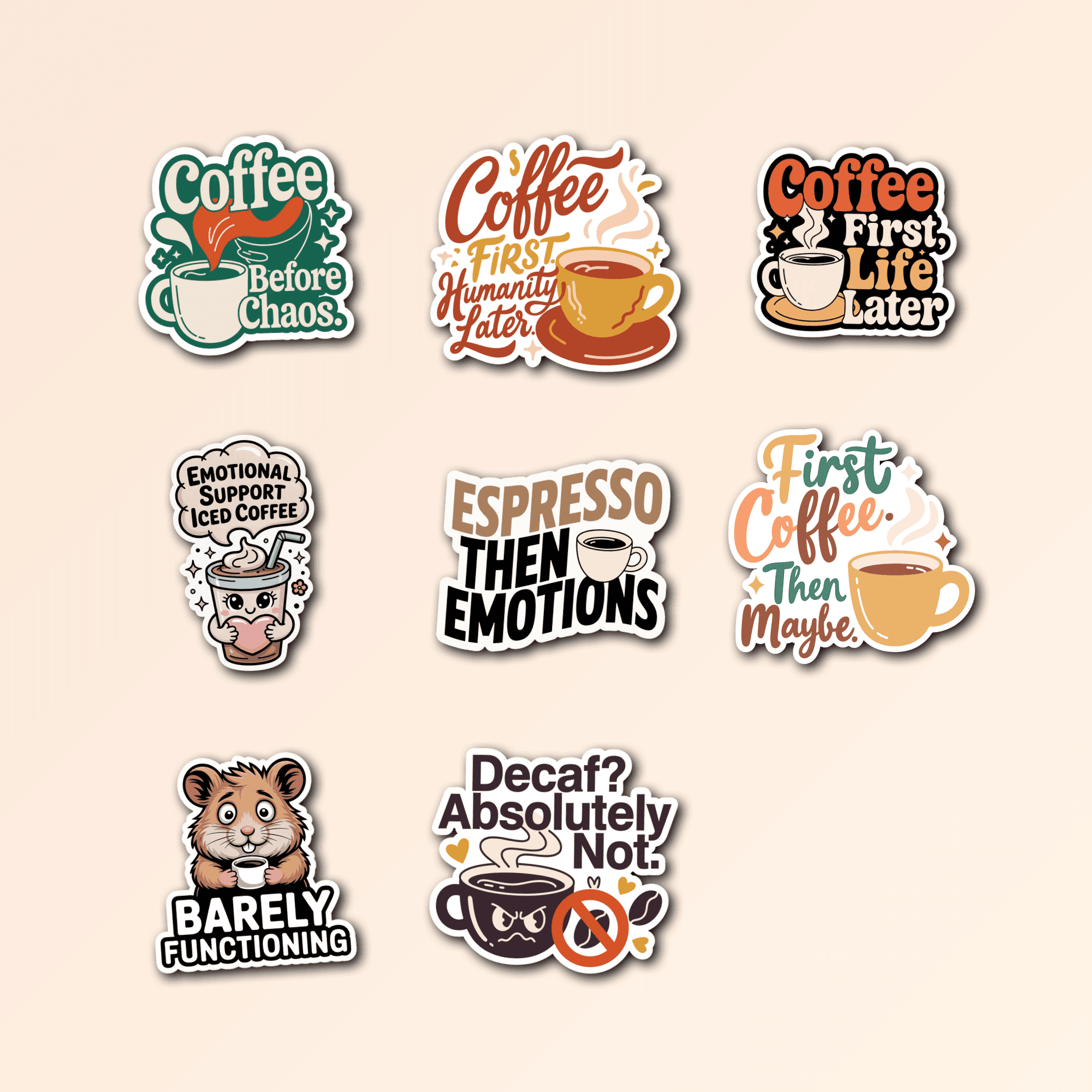
#1 — 8 Funny Coffee Sticker Pack — Premium Vinyl Decals #
by Sticker Pack
- ✅ Sure! Please provide the product features you’d like me to highlight.
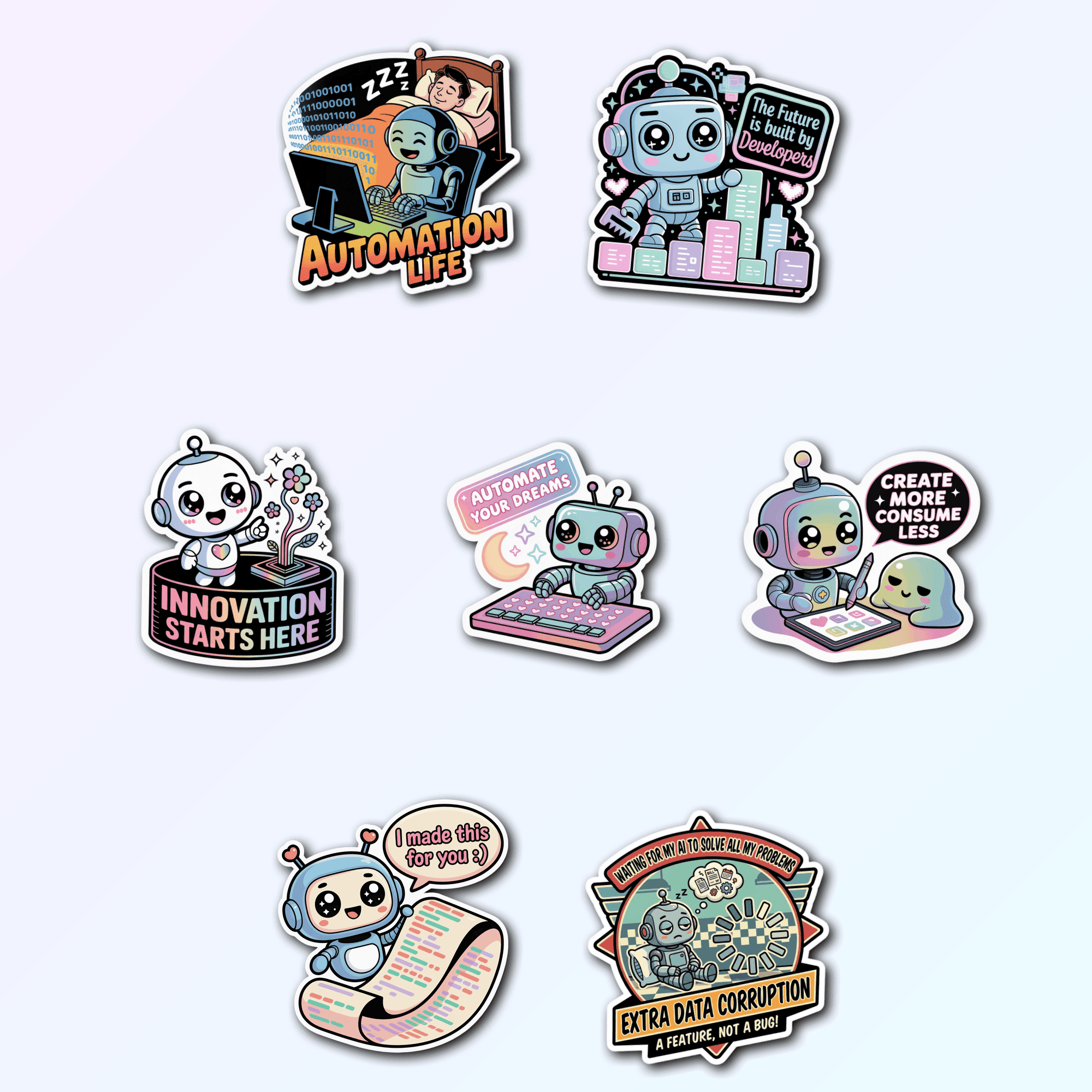
#2 — 7 Cute Robot Tech Sticker Pack — Premium Vinyl Decals #
by Sticker Pack
- ✅ Sure! Please provide the product features you’d like me to highlight.
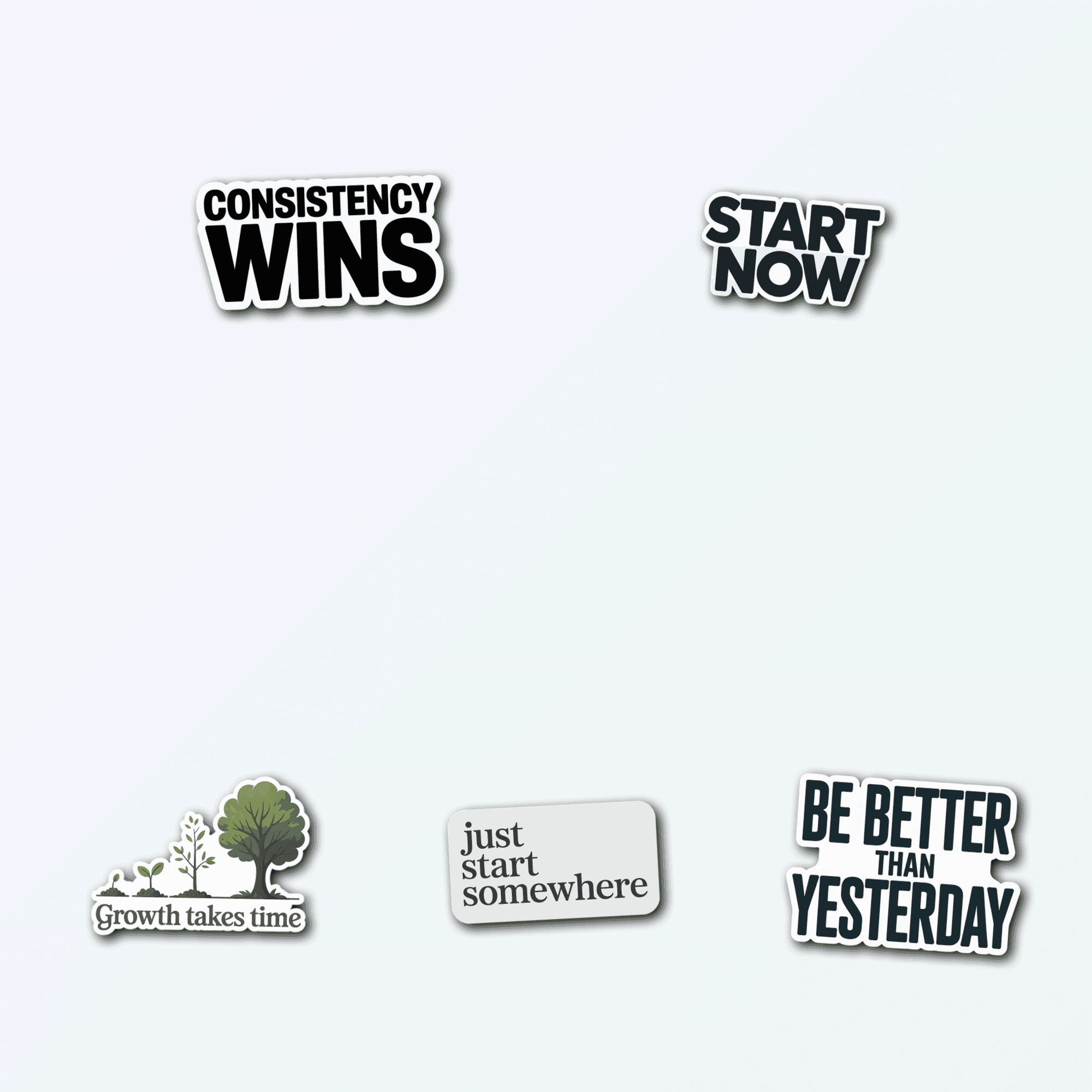
#3 — 5 Quote Vinyl Stickers Pack #
by Sticker Pack
- ✅ Sure! Please provide the product features you’d like to highlight, and I’ll create the list for you.
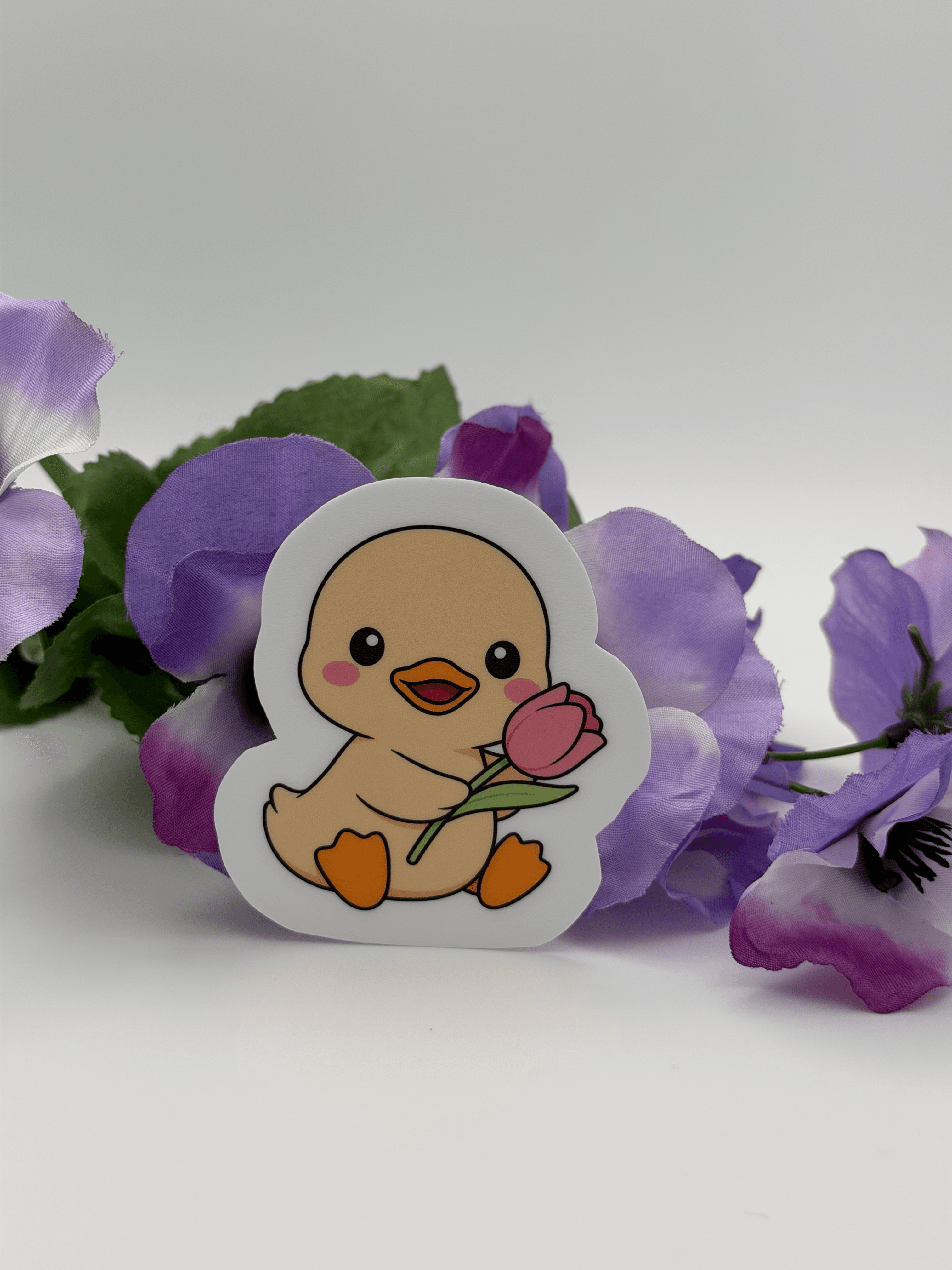
#4 — Cute Duck Vinyl Sticker with Tulip - Kawaii Baby Duck Decal #
by Sticker
- ✅ Sure! Please provide the product features you’d like to highlight.
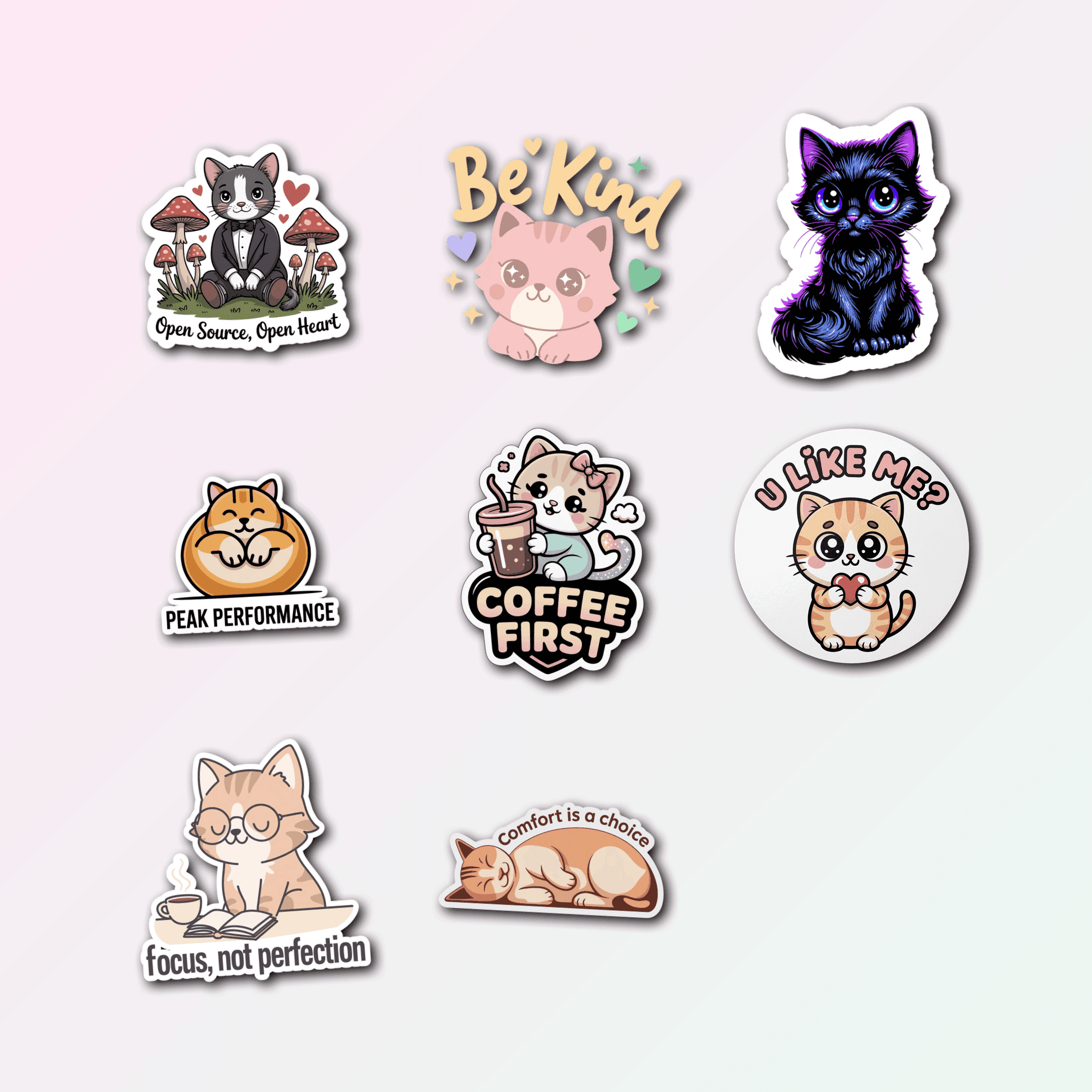
#5 — 8 Cute Cat Sticker Pack — Premium Vinyl Decals #
by Sticker Pack
- ✅ Of course! Please provide the product features you’d like me to highlight.
What makes the Ultimate Guide to Vinyl Stickers in 2026 different from older sticker advice? #
A lot has changed since the “just buy waterproof stickers” era. In 2026, buyers are seeing wider use of UV-resistant laminate, better die-cut precision, and more niche formats like holographic vinyl stickers, clear vinyl decals, and removable matte sticker sheets for planners and journals.
The problem is that marketing language got fuzzier too. “Weatherproof” may only mean splash-resistant, while “durable” sometimes refers to print quality, not adhesive strength. That’s why you need to look past the listing headline and check the material stack: vinyl face film + adhesive + laminate.
Here’s the quick benchmark I use after years of ordering custom and pre-made sticker packs:
- Indoor use: matte or gloss vinyl without heavy UV protection can be enough
- Water bottle use: waterproof vinyl plus laminate performs better than plain printable vinyl
- Car or outdoor use: laminated outdoor vinyl consistently lasts longer in sun and rain
- Journal or planner use: removable adhesive matters more than maximum tack
If you’re shopping by style first, you’ll also see adjacent categories crossing over with vinyl. For humor-focused designs, brain-buffet.writeas.com highlights current trends that overlap with laptop and tumbler decals.
How do vinyl stickers actually work, and why do some last 3 months while others last 3 years? #
A vinyl sticker isn’t just “printed plastic.” It’s a layered product, and each layer affects lifespan. The top layer is the printable vinyl film, the middle is ink, and the outer protection is often a laminate that shields against scratches, water, and UV exposure.
The biggest difference is usually calendered vinyl vs cast vinyl. Calendered vinyl is more common for everyday sticker sheets and lower-cost die-cut stickers. Cast vinyl is thinner, more conformable, and better for curves and long outdoor use, though it’s usually reserved for higher-end decals rather than basic packs.
Here’s where failures happen fastest:
- No laminate: colors scuff off after repeated rubbing
- Weak adhesive: corners lift on powder-coated bottles and textured surfaces
- Poor curing or print sealing: water seeps in through cut edges
- Too-thick film on curved objects: sticker tents or wrinkles on bottles and helmets
💡 Did you know: A sticker can be labeled “waterproof” and still fail in a dishwasher. Hand-wash-safe and dishwasher-safe are not the same claim, and review complaints spike sharply when sellers blur the two.
Ultimate Guide to Vinyl Stickers in 2026: what should you look for before buying? #
If you only skim one section of this Ultimate Guide to Vinyl Stickers in 2026, make it this one. The best vinyl sticker purchase decisions come down to a few concrete specs.
1. What vinyl material is used? #
Look for actual vinyl film, not just “sticker paper” with a glossy coating. Printable vinyl can work well for indoor labels, but long-term durability is better when the listing clearly states premium vinyl, outdoor vinyl, or laminated vinyl.
If the material description is vague, that’s a warning sign. High-return sticker listings often skip film type entirely.
2. Is there a laminate layer? #
A laminate matters more than many buyers realize. In side-by-side use, laminated stickers resist key scratches, bottle condensation, and UV fade noticeably better than unlaminated versions.
For water bottles, laptops, and outdoor gear, look for:
- Scratch-resistant laminate
- UV-resistant coating
- Gloss or matte protective finish
3. What adhesive type do you need? #
Permanent adhesive is great for coolers, vehicles, and long-term labeling. Removable adhesive is better for journals, planners, and seasonal décor because it reduces residue and repositioning damage.
That’s especially useful if you’re also comparing decorative formats like Writeas, where repositionability matters more than weather resistance.
4. How thick is the sticker? #
Thickness affects feel and durability. In my experience, very thin vinyl often feels cheap and tears more easily during application, while overly thick stickers can resist smooth wrapping on curved surfaces.
A medium-weight vinyl with laminate usually strikes the best balance for custom vinyl stickers, die-cut decals, and bottle applications.
5. Do the reviews mention peeling, fading, or residue? #
Ignore star rating alone. Read the one- and three-star reviews first.
The patterns that matter most:
- Peeling after 1-2 weeks = adhesive issue
- Fading in a sunny window = weak UV protection
- Ink scratching off with fingernails = no true laminate
- Sticky residue after removal = overly aggressive glue or poor adhesive formulation
Our selection criteria for the Ultimate Guide to Vinyl Stickers in 2026 #
I didn’t treat all sticker listings equally, because buyers don’t use them equally. A planner sticker, a bumper decal, and a logo sticker for packaging all live very different lives.
So the evaluation criteria were split into use-case groups, with more weight on real-world durability than on design variety alone. The strongest performers typically shared these signals:
- 4.2 stars or higher
- At least 100+ buyer reviews for trend reliability
- Clear material disclosure, not vague “premium quality” language
- Consistent mention of water resistance and easy application
- Low complaint frequency around curling edges and print blur
Meanwhile, I paid extra attention to photo reviews. In sticker categories, buyer images often reveal more than the product description—especially edge cut quality, finish accuracy, and whether “matte” looks truly matte or just dull gloss.
For buyers comparing design-forward niches, guides like cute animal planner stickers can help if your priority is aesthetics over long outdoor performance.
Which vinyl stickers make sense under each budget in 2026? #
Sticker shoppers rarely search by material alone. They search by outcome and budget. Here’s the practical breakdown.
Best vinyl sticker options under the entry-level budget #
At the lower end, you’ll usually get smaller packs, simpler finishes, and standard calendered vinyl. That’s fine for notebooks, laptop lids, classroom bins, and indoor storage labels.
What you should expect:
- Basic die-cut stickers or kiss-cut sheets
- Limited specialty effects
- Shorter outdoor lifespan
- More variation in edge precision
This tier works best if you want visual flair without heavy wear. If a low-cost option claims extreme outdoor durability, I’d verify those specs with external review analysis or check source comparisons before trusting the claim.
The mid-range sweet spot for water bottles, laptops, and packaging #
This is where value gets much better. Mid-tier vinyl decals usually have cleaner cuts, more reliable adhesive, and a true laminate layer rather than just a glossy print finish.
In this bracket, I’ve consistently seen the best balance of:
- Waterproof vinyl stickers
- Better saturation and print sharpness
- Lower edge-lift complaints
- More finish choices like matte, gloss, clear, or holographic
For small businesses using stickers for packaging inserts or branded mailers, this range is often the smartest buy. You get stronger presentation without paying premium rates for features you may not need.
Premium vinyl stickers for outdoor, car, and long-term use #
Premium sticker products justify the step-up when failure is expensive or annoying. Think car decals, equipment labels, helmet stickers, or custom logo runs for retail packaging.
What usually improves:
- More durable adhesive
- Better UV fade resistance
- Cleaner weeding and contour cuts
- Improved durability on curved or frequently handled surfaces
If your sticker will sit in sunlight for 6 to 12 months, premium outdoor vinyl is where the upgrade starts to make sense.
What do real vinyl sticker reviews say in 2026? #
The most useful review pattern is simple: listings with thin spec pages and flashy mockups produce the most disappointment. Buyers often praise the artwork at first, then return weeks later to report peeling or fading.
The most common negative themes I saw were:
- “Looks great, but doesn’t stick to my bottle”
- “Colors faded in the car window”
- “Left residue on my laptop”
- “Not as thick as expected”
By contrast, top-performing sticker listings tend to get very specific praise. Buyers mention surviving hand washing, staying flat on insulated bottles, or lasting through months on a notebook cover without corner lift.
For trend-heavy and novelty-driven styles, wordflicks.blogspot.com can help surface deal-focused options, but durability should still be verified separately.
Which red flags predict a bad vinyl sticker purchase? #
Some warning signs show up again and again. Once you know them, you’ll avoid most low-quality sticker buys.
1. The listing never says “vinyl” #
If it only says “sticker” or “decal” without naming the substrate, assume nothing. Many poor-performing products hide behind aesthetic photos and vague descriptions.
2. No mention of laminate or surface protection #
For anything exposed to water, keys, or sunlight, missing laminate info is a major risk. A pretty print can still scratch off in days.
3. Reviews praise design but complain about performance #
This is a classic trap. Great art plus weak materials equals a product that photographs well and fails fast.
4. The seller uses contradictory claims #
“Removable, permanent, waterproof, reusable” all in one listing? That usually means sloppy copy, not miracle engineering.
5. No application guidance #
Quality sticker sellers usually tell you whether the surface should be clean, dry, and smooth. If there’s no guidance at all, the product page may be thin because the product quality is too.
If you’re researching broader sticker niches beyond vinyl durability, you can also read more on adjacent styles and buyer preferences.
Ultimate Guide to Vinyl Stickers in 2026 for different use cases: which type fits your surface? #
Not all sticker success depends on quality alone. Surface choice matters just as much.
Water bottles and tumblers #
Use laminated waterproof vinyl with strong edge sealing. Stainless insulated bottles are a common target, but textured powder-coated surfaces are tougher, so adhesive quality matters more there than on smooth plastic.
Laptops and tablets #
A removable or low-residue adhesive is safest if you upgrade devices often. Matte vinyl also hides fingerprints better than gloss, especially on darker laptop finishes.
Cars and outdoor gear #
Choose outdoor-rated vinyl decals with UV protection. Sun exposure through a windshield can get intense, and low-end ink fades fast even if the adhesive holds.
Journals and planners #
Here, removability beats brute strength. Decorative formats can overlap with vinyl, paper, and hybrid materials, so if you’re comparing hobby use with sticker collecting communities, sources like clientsbee.com can help you branch into niche inspiration while you narrow your material requirements.
Pro tip: how to make vinyl stickers last longer after you buy them #
Application changes everything. Even a good sticker performs badly on a dusty, oily, or damp surface.
Use this quick process:
- Clean the surface with mild soap or isopropyl alcohol
- Dry it fully
- Apply at room temperature, ideally not in extreme cold
- Press from center outward to remove air pockets
- Wait several hours before exposing it to water
I’ve salvaged mediocre adhesion just by cleaning the surface properly first. On bottles especially, lotion residue and kitchen grease cause far more sticker failure than most people realize.
What is the single most important buying criterion in the Ultimate Guide to Vinyl Stickers in 2026? #
If you only check one thing, check whether the sticker is laminated vinyl matched to your actual use case.
That one detail filters out most bad purchases. For journals, choose removable vinyl; for bottles, choose waterproof laminated vinyl; for cars and outdoor gear, choose UV-protected outdoor vinyl. The artwork gets your attention, but the material stack determines whether you’ll still like that sticker three months from now.
Frequently Asked Questions #
Are vinyl stickers really waterproof or just water-resistant? #
Some are truly waterproof, but many are only water-resistant. In practice, laminated vinyl stickers handle splashes, condensation, and hand washing much better than plain printed stickers, while dishwasher exposure is still a separate test.
How long do vinyl stickers last outdoors? #
Outdoor lifespan depends on vinyl type, laminate, sun exposure, and surface prep. A quality outdoor vinyl decal can last months to several years, while a basic unlaminated sticker may start fading or shrinking within one season.
What’s the best vinyl sticker finish for water bottles? #
For water bottles, the safest bet is a laminated gloss or matte vinyl sticker with strong adhesive and scratch resistance. Gloss often looks more vibrant, while matte hides scuffs and fingerprints better.
Are custom vinyl stickers worth it for small businesses in 2026? #
Yes, especially if you use them for packaging, inserts, labeling, or brand visibility on mailers. The best results usually come from mid-range laminated vinyl because it looks polished without pushing costs into premium outdoor-decal territory.
How do I remove vinyl stickers without leaving residue? #
Warm the sticker gently with a hair dryer, then peel slowly from one corner. If adhesive remains, a small amount of isopropyl alcohol or adhesive remover usually clears it without damaging smooth metal, glass, or sealed plastic surfaces.