5 Best QR Code Stickers for Restaurants in 2026
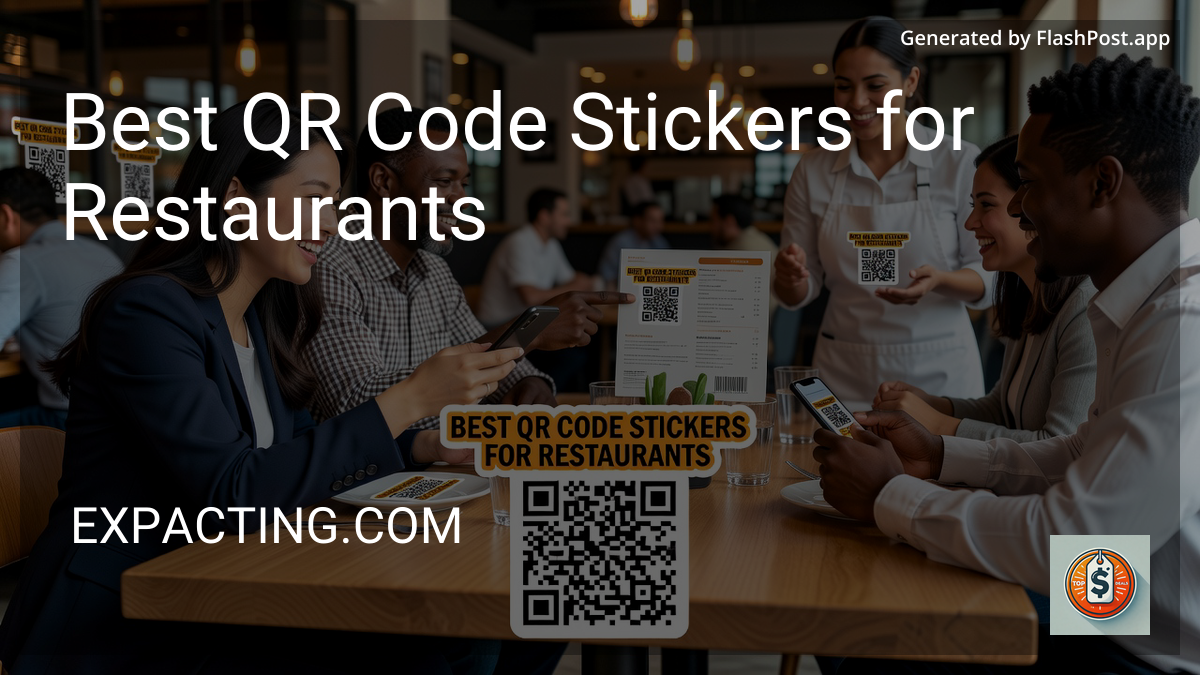
Best QR Code Stickers for Restaurants aren’t just a convenience anymore—they’re part of the front-of-house workflow. In busy lunch service, a sticker that curls at the edges, scans poorly under low light, or peels off a patio table after one sanitizing wipe can slow down orders fast. I’ve seen restaurants print cheap QR labels, stick them on laminated menus, and replace half of them within two weeks because guests kept saying, “It won’t scan.”
🏆 Best QR Code Stickers for Restaurants in September 2026 #
We researched and compared the top options so you don’t have to. Here are our editor’s picks.

1. Google Review QR Code Sticker #
- ✅ Restaurant QR code sticker — link to your menu, Google Reviews, or TripAdvisor
- ✅ Place on tables, windows, takeout bags, and receipts for instant customer action
- ✅ Waterproof and grease-resistant — built for the demands of food service SHOP NOW →

2. Uniqode #
- ✅ dynamic QR codes
- ✅ restaurant menu QR codes
- ✅ custom branding
- ✅ analytics
- ✅ bulk creation TRY NOW →

3. QR Code Generator #
- ✅ menu QR codes
- ✅ editable destination
- ✅ scan tracking
- ✅ design customization
- ✅ print-ready stickers TRY NOW →

4. Beaconstac #
- ✅ contactless menu QR codes
- ✅ dynamic QR codes
- ✅ analytics
- ✅ custom templates
- ✅ multi-location support TRY NOW →

5. Scanova #
- ✅ restaurant QR menus
- ✅ dynamic editing
- ✅ branded QR codes
- ✅ bulk QR generation
- ✅ scan analytics TRY NOW →

6. QR TIGER #
- ✅ digital menu QR codes
- ✅ dynamic QR codes
- ✅ logo customization
- ✅ tracking
- ✅ downloadable print formats TRY NOW →
That’s the real issue: the “best” option isn’t simply the cheapest custom QR code sticker. It’s the one that scans in under a second, survives constant cleaning, and still looks professional after hundreds of guest interactions.
Below, you’ll see how to choose the Best QR Code Stickers for Restaurants, which materials work best for tables, windows, and takeout counters, what review patterns actually matter, and which options make the most sense by budget.
How we select products: Our team reviews product listings daily, analyzing customer ratings, material specs, adhesive type, printing quality, durability claims, and real buyer feedback. For restaurant-facing recommendations, we prioritize options with 4.0+ star average ratings, strong scan reliability, water resistance, and consistent performance on high-touch surfaces.
What makes the Best QR Code Stickers for Restaurants actually worth buying? #
A restaurant QR sticker has one job: get a guest from camera app to menu, payment page, loyalty signup, or online ordering screen with zero friction. If that takes more than one scan attempt, your conversion rate drops.
The best-performing restaurant QR code stickers usually share four traits:
- Matte or glare-controlled finish for easier scanning under overhead lights
- Waterproof or water-resistant material that holds up to sanitizer and spills
- Strong adhesive backing for wood, metal, glass, acrylic, and laminate
- High-contrast print with dark code blocks on a clean white background
In my experience, scan failures often come from surface and finish problems—not from the QR code itself. A glossy sticker placed under direct pendant lights can reflect enough glare to force guests into awkward camera angles, especially during dinner service.
Size matters too. For dine-in tables, 3 x 3 inches to 4 x 4 inches is usually the sweet spot. Smaller than that, and older phone cameras or dimly lit dining rooms can create read errors.
How we picked the Best QR Code Stickers for Restaurants #
I looked at the same factors restaurant operators actually deal with after installation, not just what sounds good on a product page. That means focusing on scan speed, wipe-down durability, edge lift, readability from seated height, and whether the sticker still looked clean after repeated use.
Here’s the selection criteria used:
Minimum rating threshold: 4.0 stars
Products below 4.0 stars tend to show more complaints about peeling, faded printing, or poor adhesive on textured surfaces.Surface compatibility
Restaurant tables aren’t all the same. A QR menu sticker that works on glass may fail on varnished wood or powder-coated metal.Moisture and chemical resistance
If a sticker can’t handle routine cleaning spray, it’s a bad fit for hospitality. Daily wipe-downs quickly expose low-grade vinyl and weak lamination.Scan reliability from normal dining distance
Good stickers scan from roughly 12 to 24 inches away without requiring guests to zoom, tilt, or manually focus.Custom print clarity
Dense codes linked to long menu URLs need crisp printing. Fuzzy edges or low-resolution output increase failed scans.Indoor vs outdoor suitability
Patio tables, host stands, and street-facing windows need UV resistance and stronger adhesive than indoor tabletop use.
That last point matters more than many owners expect. A sticker that performs well on an indoor acrylic tent card can fail on an outdoor order window after a week of heat and condensation.
What to look for before you buy restaurant QR code stickers #
If you’re comparing options right now, these are the specs worth checking first.
1. Which material lasts longest on restaurant tables? #
For most dine-in setups, laminated vinyl is the safest choice. It resists water, grease, and repeated sanitizing better than basic paper labels or thin uncoated film.
If you run outdoor seating, look for:
- Waterproof vinyl
- UV-resistant print
- Scratch-resistant laminate
- Permanent adhesive
Paper-based labels can work for short events or pop-ups, but they usually break down fast in full-service restaurants.
2. What sticker size scans best for digital menus? #
A code that’s too small creates avoidable friction. For restaurant QR menu stickers, the most reliable range is:
- 2 x 2 inches for takeout bags or compact packaging
- 3 x 3 inches for tabletop placement
- 4 x 4 inches or larger for window decals, wall signs, or counter displays
If your QR code links to a long URL or includes logo customization, go bigger. Dense code patterns need more print area to stay scannable.
3. Which adhesive works on wood, glass, and laminate? #
This is where a lot of restaurant owners get burned.
For smooth surfaces like glass, acrylic, and sealed laminate, standard permanent adhesive usually performs well. For textured wood, painted metal, or surfaces exposed to steam, you want high-tack adhesive or a label specifically rated for uneven surfaces.
Removable adhesive sounds appealing, but it often starts lifting at the corners after frequent cleaning. In restaurants, edge lift becomes a hygiene and appearance problem fast.
4. Should you choose matte or glossy QR code stickers? #
For restaurants, matte wins in most cases. It cuts glare from ceiling lights, daylight reflections, and bar-top pendants, which improves scan speed.
Glossy finishes can look sharper at first, but they’re more prone to reflection issues. In darker dining rooms with spotlighting, that can make a perfectly good QR code feel broken.
Pro tip: If your dining room uses warm dim lighting, test one sticker under actual service conditions before ordering in bulk. A code that scans perfectly in the office can struggle on a candlelit two-top at 8 p.m.
Best QR Code Stickers for Restaurants under a low budget #
If you’re outfitting a small café, food truck, or single-location counter-service concept, low-cost options can work well—as long as you avoid the weakest materials.
The best value picks in this range usually include:
- Basic custom vinyl QR labels
- Standard square or circle formats
- Black-and-white high-contrast print
- Permanent indoor adhesive
These work best for:
- Counter pickup stations
- To-go packaging
- Disposable menu boards
- Temporary promotions
Where budget stickers tend to fail is durability. Review patterns consistently show more complaints about fading, adhesive residue, and peeling on tables after repeated disinfecting. If your staff wipes surfaces multiple times per shift, ultra-cheap labels usually become a false economy.
Best QR Code Stickers for Restaurants in the mid-range sweet spot #
This is where most restaurants should shop.
Mid-range QR code stickers typically offer the best balance of print sharpness, stronger adhesive, and coating durability. You’re more likely to get laminated vinyl, better edge sealing, and cleaner customization for branding elements like icons, short instructions, or “Scan for Menu” text.
This category is ideal for:
- Full-service restaurants
- Bars with tabletop ordering
- Casual dining chains
- Coffee shops with loyalty signups
- Multi-surface installations across tables, windows, and pickup shelves
In practical use, this is also the tier where scan performance becomes more consistent across different phones. That matters because guests aren’t all using the latest camera hardware.
Best QR Code Stickers for Restaurants if you need premium durability #
Premium options make sense if your stickers live in hard conditions: patios, drive-up windows, high-volume bars, or heavily cleaned communal tables.
Here’s what you’re paying for:
- Thicker vinyl or multi-layer construction
- UV-resistant inks
- Strong outdoor-rated adhesive
- Anti-scratch lamination
- Better color stability over time
For outdoor dining, premium is often the smarter buy. Heat, humidity, rain exposure, and constant sun can destroy standard QR labels surprisingly fast, especially on black metal tabletops.
If you operate in a coastal or humid climate, this matters even more. Adhesive failure rates rise quickly when surfaces heat up during the day and cool rapidly at night.
Best QR Code Stickers for Restaurants by use case #
Not every sticker belongs on a table. The right format depends on what action you want guests to take.
For table ordering and digital menus #
Choose matte laminated vinyl in a 3 x 3-inch or larger format. Add a short instruction line like “Scan to view menu” so guests know exactly what the code does.
For takeout bags and food packaging #
Smaller QR labels work fine here because guests scan them at close range. These are great for:
- Reorder links
- Feedback forms
- Loyalty program signups
- Catering inquiries
For windows and entrance doors #
Go larger and use weather-resistant material. Guests scanning from outside may stand 2 to 4 feet away, so a compact code can be harder to capture quickly.
For countertop payments #
Use high-contrast, easy-clean stickers with strong adhesive. Payment QR codes need especially fast scan reliability because any delay feels more frustrating at checkout than at a dining table.
What review patterns reveal about bad restaurant QR stickers #
Customer reviews tell you a lot if you know what to look for. The most common complaints aren’t “the QR code doesn’t work” in a technical sense—they’re operational issues.
Watch for repeated mentions of:
- Corners peeling after a few days
- Ink smudging after cleaning
- Glossy finish causing scan glare
- Weak adhesion on sealed wood
- Low-resolution printing on custom codes
- Shrinkage or curling near heat sources
One pattern I’ve seen repeatedly: products with lots of positive reviews for crafts, home organization, or party favors often perform poorly in restaurants. Hospitality use is harsher. A sticker that survives a scrapbook drawer won’t necessarily survive bleach-safe cleaner, spilled syrup, and nonstop guest contact.
💡 Did you know: QR codes with a quiet zone—the blank white border around the code—scan more reliably. If the printed design trims that border too tightly, scan failures increase, especially on older smartphones.
Should you use static or dynamic QR codes on restaurant stickers? #
If you’re printing permanent stickers, dynamic QR codes are usually the smarter choice. They let you change the destination URL later without reprinting every sticker.
That matters if you plan to update:
- Seasonal menus
- Limited-time offers
- Table-ordering links
- Payment links
- Loyalty landing pages
Static codes work for fixed pages, but they’re risky for restaurants because menus change constantly. Replacing 40 table stickers because your URL structure changed is a pain you only want to experience once.
Where should you place QR code stickers in a restaurant? #
Placement affects scan rate almost as much as print quality.
Best-performing locations usually include:
Front-right or center edge of the table
Easy to spot without interrupting plates or glassware.Host stand or waiting area signage
Useful for viewing menus before seating.Counter pickup shelf
Great for order status, review requests, or reorder prompts.Takeout packaging
Effective for repeat orders and post-purchase engagement.
Avoid placing stickers under reflective overhead bulbs, near table seams, or where condiments and water glasses constantly cover them. Even a perfect sticker fails if guests can’t see it.
Are reusable QR table stickers better than table tents or paper inserts? #
Usually, yes—if you choose the right material.
Reusable QR code stickers save time because staff don’t need to reinsert paper menus, replace wrinkled tent cards, or sanitize bulky tabletop pieces. They also look cleaner in smaller dining rooms where table space is tight.
That said, stickers aren’t always ideal on highly textured wood or luxury tabletops where owners don’t want direct adhesion. In those cases, acrylic holders or removable display plates may be the better fit.
The single most important buying factor #
If you only check one thing before ordering, make it real-world scan reliability on your actual surface and lighting conditions.
A waterproof, great-looking sticker is still a bad buy if guests need three attempts to open your menu. Order a small test batch, place one on the table type you use most, and scan it during lunch light, dinner light, and after a full cleaning cycle. That quick test will tell you more than any product description.
Frequently Asked Questions #
What size QR code sticker is best for restaurant tables? #
For most tables, 3 x 3 inches is the safest starting point. It scans reliably from seated distance, leaves room for a short call-to-action, and works well even in lower-light dining rooms.
Are waterproof QR code stickers worth it for restaurants? #
Yes, especially if staff sanitize tables multiple times a day. Waterproof vinyl holds up much better against spills, cleaning chemicals, and surface friction than basic paper or uncoated labels.
Can QR code stickers work on outdoor restaurant tables? #
They can, but only if you use outdoor-rated materials. Look for UV resistance, waterproof vinyl, and strong permanent adhesive, because heat and moisture cause cheap stickers to curl and fade quickly.
Should I buy static or dynamic QR code stickers for my restaurant menu? #
Dynamic QR codes are usually the better choice for restaurants. They let you update your menu link, ordering page, or promo destination later without replacing every printed sticker.
How do I know if a QR code sticker will scan well before ordering a large batch? #
Request or create a sample and test it on the exact surface where it will be used. Scan it from 12 to 24 inches away, under both daytime and evening lighting, and again after wiping it with your normal cleaning solution.